Contractor Lead Conversion
Why Your Contractor Leads Aren’t Turning Into Jobs: 9 Leaks Between the Ad and the Sale
Getting contractor leads but not booking enough jobs? Find the nine places your marketing and sales process may be losing potential customers.
By AdHouse Marketing · 15 min read
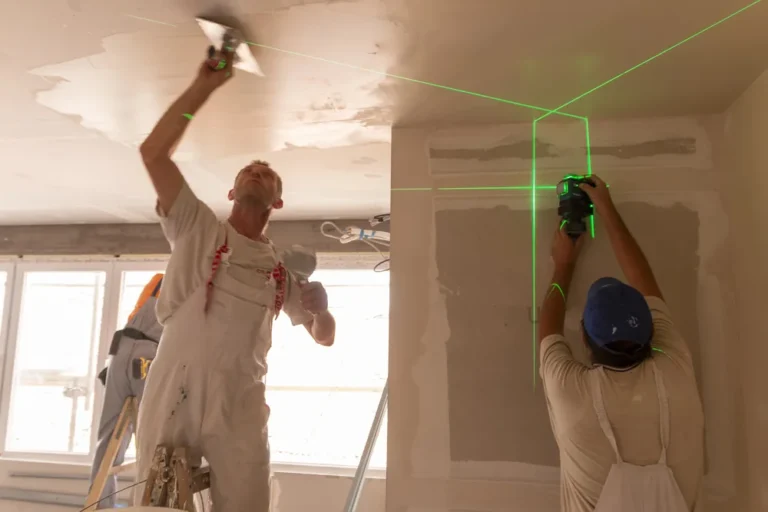
A lead is not a job.
A homeowner may see your ad, visit your website, read about your services, submit a form, answer your call, qualify for your service, book a consultation, receive an estimate and then decide whether to hire you.
The problem
Every one of those steps can leak.
That is why a campaign can appear to generate leads without producing enough booked work. The ad may be doing its job while something later in the process is failing.
Alternatively, your sales team may be ready to close, but the advertising and landing page are attracting the wrong people.
The entire journey needs to work as one coordinated system. Here are nine common places where contractor leads are lost between the ad and the sale—and what you can do about them.
Infographic
Where Leads Leak
Before the click
1
Right homeowners
2
Ad attention
On your website
3
Landing page
4
Site and form
After the lead arrives
5
Fast response
6
Follow-up
7
Qualify
8
Consultation
9
After the estimate
Every stage between the ad and the signed job can lose homeowners.
You are attracting the wrong homeowners
Before worrying about the colour of a button or the wording of a form, make sure you are reaching the right audience with the right offer.
An ad can generate plenty of activity while still attracting people who live outside your service area, want a service you do not provide or cannot afford the type of project you sell. A roofing company looking for complete replacement projects does not benefit from filling its pipeline with requests for minor repairs. A high-end remodeler does not need hundreds of inquiries from people looking for the lowest possible price.
A real example: custom patio covers
When we began advertising for a contractor who builds custom patio covers, we understood the service but made one incorrect assumption: we thought homeowners would understand that “patio cover” meant a structure designed and built specifically for their home.

Our first ad simply promoted patio covers. It soon attracted people who had already purchased prefabricated kits from retailers such as Costco or Walmart and were looking for someone to assemble and install them. Those inquiries might have been valid for a handyman, but they were not the larger, higher-value custom projects our client wanted.
We corrected the wording. The revised ad clearly stated that the contractor designs and builds custom patio covers specifically for each home. The lead mix improved, and inquiries shifted toward homeowners looking for complete custom projects rather than prefabricated-kit assembly.
Infographic
Ad Wording, Before and After
Same service, clearer wording, a better lead mix.
The lesson is simple: keep your ad copy straightforward, but never vague. Say exactly what you build, whom it is for and what kind of project you want. Do not assume that homeowners interpret your service the same way you do.
Your advertising should make the following points clear:
- The service you are offering.
- The geographic area you serve.
- The type of project you want.
- Who the service is best suited for.
- The reason a homeowner should take action.
Your offer does not always need to be a discount. It can be a consultation, an inspection, financing, a strong warranty, a distinctive installation method or access to a product that competitors do not carry. What matters is that it is relevant, specific and easy to understand.
Why it matters
If you attract the wrong people at the top of the funnel, every number below it will suffer.
Your ads fail to earn attention
Your advertisement is often the homeowner’s first contact with your company. This is where the initial connection happens.
On Facebook and Instagram, people are not usually searching for a contractor when your ad appears. They are scrolling through photos, videos and updates from people they know. Your ad therefore needs to interrupt that behaviour without looking like another generic advertisement.
Many contractors use the same formula: a stock photograph of a perfect house, a large company logo and a line that says, “Call today for a free estimate.” The problem is that these ads could belong to almost any company.
In our experience, authentic video is one of the strongest ways for home-improvement companies to earn attention. Show the owner, the team, the work being completed and the finished project. Let people see the real business they may be inviting into their home.
Put a real person at the center of the ad
AI-generated images and static graphics can work for certain offers, placements and tests. But they work only in some cases, and they should not become the default substitute for the people and projects that make your company credible.
Home improvement is a high-trust purchase. The homeowner may be inviting you onto the property or into the house and trusting your team with a major investment. In many contractor campaigns, a real person doing real work is more powerful than a synthetic image because it communicates proof as well as a promise.
You do not need a studio, a large production crew or expensive equipment. A modern phone, a clean lens, steady framing and a good microphone are enough to produce an effective contractor video. Record on a real jobsite or beside a completed project, speak plainly and keep the message focused on the homeowner.

There is no need for stunts, exaggerated acting or anything designed only to “go viral.” Your work is the content. A simple video can:
- Introduce you and your company.
- Name the homeowner problem you solve.
- Show the actual product, jobsite, process or finished project.
- Explain what makes your approach different.
- Give the viewer one clear next step.
Recognition makes the sales conversation easier
Putting the owner, estimator or another customer-facing team member in the ad creates continuity. The homeowner sees that person in the video, clicks through to learn more and then encounters the same face on the website, on the phone or at the estimate. The conversation no longer feels completely cold; familiarity has already begun to do some of the trust-building.
With consistent campaigns, contractors often start hearing comments such as, “I saw you on Facebook,” “I saw you on YouTube,” or “I recognize you from the ads.” Those moments tell you that the creative is doing more than generating an isolated click. It is building recognition for the company and the people behind it.
Recognition alone does not prove that every view became a lead, but it is a valuable signal that your market is beginning to remember you. When a homeowner is comparing several contractors, being the familiar company can make it easier to earn the conversation and, ultimately, the job.
The goal
The goal is not to make the owner internet-famous. It is to make the company feel real, local and familiar before the first direct conversation ever takes place.
The opening hook matters. The first few seconds should give the viewer a reason to stop scrolling. It could introduce a recognizable problem, show a dramatic transformation or make a direct statement about the service.
The copy needs to continue the same job. Its first couple of lines should speak to a real homeowner concern, communicate a useful benefit or create enough curiosity to make the person want to learn more.
Video is not a magic solution, and static images can still work. The important distinction is not simply video versus image. It is authentic, relevant creative versus advertising that looks generic and interchangeable.
Want ads that look like your real business?
Talk to AdHouse about Facebook and Instagram campaigns built around your real crews, projects and service area.
Your landing page does not answer “Why you?”
Getting the click is only the beginning. Once a homeowner reaches your website, the landing page needs to turn initial interest into trust.

The page should immediately explain:
- What you do.
- Where you work.
- Who you serve.
- What makes your company different.
- What the homeowner should do next.
Price does not have to be your main selling point. You may have more experience, better-trained installers, a wider product selection, superior warranties, a cleaner process or stronger communication. Whatever makes your company the better choice needs to be clearly articulated.
A real example: selling the SkyLift difference
Most contractor websites make similar claims: the company is licensed, insured and certified, and its team has many years of experience. Those details matter and should be present, but they rarely answer the homeowner’s real question: “Why should I choose you instead of the other contractors I am considering?”
For one of our recent clients—a contractor who builds custom patio covers using SkyLift technology—we looked for a difference that homeowners could understand and value. The mounting method was far more persuasive than another list of credentials.
Instead of requiring a conventional patio-cover tie-in that opens a larger section of the roof, the SkyLift system connects through the roof at specific connection points. For this contractor’s projects, that can reduce the amount of the existing roof that must be opened or disturbed by up to 40 percent. That turns a technical feature into a clear homeowner benefit: less disruption to an important part of the home.
Infographic
SkyLift vs. Conventional Tie-In
Reduction applies to this contractor’s projects and is the maximum, not a guarantee.
We made that distinction prominent in the marketing and paired it with the owner appearing on camera, showing his work and explaining his experience. Homeowners were not being asked to trust abstract claims. They could see the person behind the company and understand one meaningful reason his patio-cover system was different.
That combination helped move people from curiosity to quote requests, and the campaign performed well. The lesson is not that every contractor needs proprietary technology. It is that every landing page should identify the most specific, valuable and believable reason a homeowner should choose that company—and then support it with a real person, real work and a clear explanation.
Do not expect homeowners to take your word for it. Support your claims with evidence:
- Reviews from real customers.
- Photographs and videos from completed projects.
- Before-and-after examples.
- Warranty information.
- Team profiles and experience.
- Relevant certifications or professional affiliations.
- Credible third-party profiles such as the Better Business Bureau.
Real project media is especially important. Stock photography may look polished, but it does not prove that your company completed the work. In some cases, it can make a business appear less trustworthy because the website does not feel connected to the actual contractor.
Frequently asked questions can also remove doubt. You do not need to invent them. Listen to the questions homeowners ask during consultations and answer those questions directly on the page.
By the time someone reaches the contact form, they should understand who you are, what you offer and why speaking with you is worth their time.
Need a landing page that answers “Why you?”
Tell us about your business. We’ll build a page around real people, real work and one clear next step.
Your website and form create unnecessary friction
Even a persuasive landing page can lose people if it is difficult to use.
The page needs to load quickly and work properly on a mobile phone. The phone number should be easy to find and tap. The form should be visible, readable and simple to complete. A homeowner should never have to zoom in, search through the menu or visit several pages just to request an estimate.
Choose the call to action that matches the way your business operates. If most sales begin with a conversation, use a prominent click-to-call button. If you need details about the project, make the form the primary action.

Friction is a dial, not a defect
In marketing, friction is the amount of effort a homeowner must exert to complete the next action. It includes the number of fields on the form, how much typing is required, how many decisions the person must make and how easily everything works on a mobile phone.
Some friction is healthy. Too little friction can increase form volume while shifting all the qualification work to your office or sales team. Too much friction may discourage casual inquiries, but it can also drive away legitimate homeowners who are busy, uncertain or simply not ready to provide every project detail.
Consider a form that asks only for a name, phone number and email address. It is quick to complete, but your team must then call the lead to learn what service is needed, where the property is located, what the circumstances are and whether the project is a reasonable fit.
A longer form can collect the service type, job location, timeline and a description of the project before anyone makes a call. That may save time on the back end and improve initial qualification. However, every additional required question gives the homeowner another opportunity to become distracted, decide the process is too demanding or abandon the form.
For most contractor campaigns, we begin with three to five purposeful fields and qualify the remaining details through a conversation. A practical starting point might include the homeowner’s name, a preferred contact method, the service required, the property location and, when useful, a short project description. This is a starting point—not a universal formula.
Infographic
The Friction Dial
The right amount of friction can only be found through testing.
The right amount of friction can only be found through testing. Compare more than the number of submissions or the cost per lead. Track how many leads can be contacted, how many are qualified, how many schedule appointments and how many become paying jobs. A shorter form is not better if it overwhelms the team with poor opportunities, and a longer form is not better if qualified homeowners refuse to complete it.
Sending paid traffic to a website or dedicated landing page already introduces some useful friction compared with an instant form inside an advertising platform. The homeowner must click, read about the company and then choose to call or submit the form. That extra step can filter out some accidental and low-intent clicks, so the people who open the form may be more serious.
However, a landing page does not eliminate bots, spam or invalid submissions by itself. Technical protections and careful campaign-placement controls are still necessary.
The goal
The goal is not maximum friction or minimum friction. It is the least amount of effort that still gives your team enough information to recognize and pursue a real opportunity.
Useful fields may include:
- Contact information
- Project type
- Property location
- Desired timeline
- A short project description
- Photographs, when they help with qualification
Test the entire experience yourself on a phone. Submit the form, tap the phone number and confirm that every notification reaches the right person. A form that looks good but does not reliably deliver the inquiry is one of the most expensive leaks a website can have.
You respond too slowly—or not at all
Once the form has been submitted, only half the job is complete. Your real objective is to establish contact.
Some homeowners submit a form impulsively and then return to whatever they were doing. Others contact several contractors and hire the first credible company that responds. The longer an inquiry sits unattended, the easier it becomes for that person to forget the request, change their mind or speak with a competitor.
If someone calls, answer whenever possible. When nobody is available, use professional voicemail, call handling or a missed-call response that confirms the message was received. If you promise to return the call, follow through.

Online inquiries should receive an immediate acknowledgement by text or email. That message does not replace personal contact, but it reassures the homeowner that the form worked and tells them what to expect next.
You do not personally need to be available every hour of the day. You do need a dependable system. That system may involve an office administrator, salesperson, answering service, CRM automation or a combination of them.
Remember
Fast, reliable communication is part of marketing. If nobody responds after the lead arrives, the money spent generating that lead has been wasted.
You give up after one follow-up attempt
Some leads will never convert—and that is normal.
Paid advertising and general website traffic will always contain some noise. Bots, spam submissions, scrapers and other automated traffic—including AI agents—can reach your website. Some inquiries will be unqualified, and some may not represent a genuine homeowner at all.
Traffic source matters as well. In our experience, campaigns using the Google Display Network or Meta Audience Network often produce a higher share of low-intent or invalid inquiries than high-intent Google Search traffic or Facebook and Instagram’s primary placements. These placements require close monitoring and may need to be limited or excluded when lead quality declines.
Infographic
Placement Quality
- Google Search
- Facebook and Instagram primary placements
- Google Display Network
- Meta Audience Network
Based on our experience. Results vary by campaign.
A practical way to plan for this is to think of incoming leads in three broad groups. These percentages are a rule of thumb, not a universal benchmark:
Infographic
Where Your Leads Land
~30%
~30%
30–40%
A rule of thumb, not a universal benchmark.
That final group is where nurturing can change the outcome. These homeowners may be speaking with several contractors, and you need to earn their business through a better overall experience—not simply by applying more pressure.
Every touchpoint influences that decision: the opening lines of your ad, the copy on your landing page, how easy it is to call or submit a form, how quickly you respond and how confidently you handle the consultation.
Use a respectful follow-up sequence that combines phone calls, text messages and email. One unanswered call should not automatically turn a real opportunity into a lost lead. At the same time, every message should have a purpose, and the sequence should stop when the person responds, asks not to be contacted or clearly indicates that the project is no longer moving forward.
Infographic
Respectful Follow-Up
- Responds
- Asks not to be contacted
- Says the project is no longer moving forward
A CRM can make this much easier. It can assign the lead, send an immediate acknowledgement, schedule follow-up tasks and show your team which prospects still need attention.
The real issue
Many contractors do not need more leads. They need a better system for separating the unavoidable losses from the opportunities they can still win.
Leads going cold?
Let’s set up a CRM that assigns every lead, acknowledges it and keeps follow-up on schedule.
You do not qualify the lead or establish a clear next step
Establishing contact is a major milestone, but it is not the same as creating a sales opportunity.
The next step is to confirm that the homeowner and project are a reasonable fit. Depending on your business, this may involve asking about:
- The service they need
- The property’s location
- The scope of the project
- Their preferred timeline
- Their expectations and priorities
- Any practical budget or financing considerations
Qualification protects your time and the homeowner’s time. It prevents your estimator from driving across town for a project you do not perform, while ensuring that strong opportunities receive proper attention.

Once the lead is qualified, give the homeowner a specific next step. Book the consultation, site visit or estimate while you have them on the phone. Confirm the date and time, explain who will attend and tell them what they should prepare.
Appointment reminders are also important. A confirmation followed by a timely reminder can reduce no-shows and create a more professional experience.
Next step
Do not end the first conversation with a vague promise to “connect sometime.” Move the opportunity forward.
Your consultation and estimate do not make the sale easy
Most experienced contractors know their work. They can explain products, construction methods and technical details. But expertise alone does not guarantee a consistent sales process.

A strong consultation should help the homeowner feel understood and confident. Ask questions before presenting the solution. Learn what problem they are trying to solve, what matters most to them and what concerns may prevent them from moving forward.
Then explain:
- The solution you recommend.
- Why you recommend it.
- What is included.
- What the process will look like.
- How long it should take.
- What warranties or protections apply.
- What the homeowner needs to do next.
The estimate should be clear, professional and delivered when promised. If you offer different products or scopes, explain the differences instead of handing over several unexplained prices.
A quote is not the same as a sales presentation. Homeowners need enough information to understand the value, compare their options and feel comfortable making a decision.
You disappear after sending the estimate
Sending the estimate is not the end of the process.
Homeowners may need time to review the proposal, speak with a spouse, consider financing or compare options. Silence during this stage creates uncertainty. It also gives more responsive competitors an opportunity to take control of the conversation.
Follow up after the estimate. Confirm that it was received, ask whether anything needs clarification and explain the next step. If the project requires revisions, financing information or additional product choices, keep the homeowner updated.
The purpose
The purpose is not to pressure someone into signing. It is to make it easy for a qualified homeowner to make an informed decision.
Consistent communication also demonstrates what working with your company will be like. If you are organized and responsive before the sale, the homeowner has more reason to believe you will remain organized and responsive during the project.
Whether those updates come from the owner, a salesperson or an office administrator matters less than whether they happen reliably.
More leads will not fix a leaking system
When sales are slow, the immediate reaction is often to increase the advertising budget. But adding more leads to a broken process can simply waste more money.
Look at the entire journey:
Infographic
The Nine-Stage Check
Tap any question to jump back to that stage.
Every improvement increases the value of the leads you are already generating. When all nine stages work together, marketing becomes more than a collection of ads. It becomes a dependable system for turning attention into conversations, conversations into estimates and estimates into contracts.

Work with AdHouse
Turn more of your leads into booked jobs
Most experienced contractors already know how to sell their product or service. The problem is often that too few qualified opportunities make it through the marketing and follow-up system to reach a proper sales conversation.
AdHouse has built lead-generation and nurturing systems for home-improvement companies. We can help improve campaign placements, landing pages, forms, response workflows, CRM automation and follow-up so that more of the right prospects reach your sales process.
You remain the expert in your service. Let us help you build the system that makes it easier to identify, nurture and win the leads that are still on the fence.
Contact AdHouse to discuss how we can help turn more of your leads into profitable jobs.